











Preparing for Hurricane Season
08/06/2026
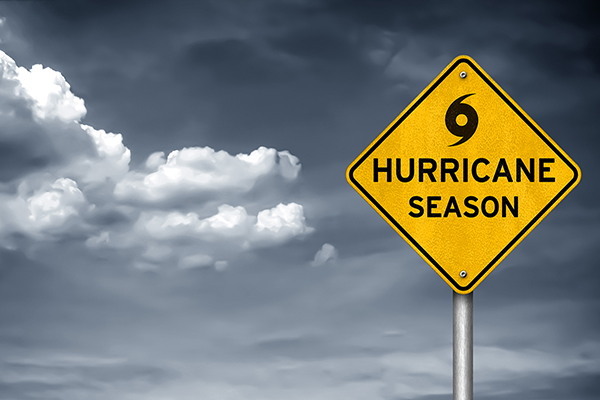
Preparing for Hurricane Season
Hurricanes can damage your home, property, and completely uproot your life. However, you can help yourself, your family, and your home or business to reduce a storm's impact by being prepared.
The best time to start preparing for the potential of a hurricane is right now. Hurricane season officially begins June 1st and lasts until November 30th, but often peaks mid-August to late October.
Don't wait until a hurricane is on top of you because it may be too late to take precautions. Decrease the potential of property damage and make it through a hurricane emergency with less anxiety and stress by becoming prepared before the season becomes active.
We put together these tips for our members to follow to help prepare.
1. Make Plans for Your Family
Plan out your evacuation route and identify safe locations where you'll weather the storm if needed. This includes planning for your pets as well. Set up a communication plan and keep in mind the phone lines and internet might be out. Ensure you have each family member's contact information written down in case your cell phone runs out of battery. Also, if you live in a mobile home or on the coast, you'll need to be evacuated even sooner.
2. Protect Your Home
Strong hurricane winds can pick up landscaping materials and hurl them through doors and windows. Not to mention, a lot of hurricane-related property damage occurs after the windstorm by rain entering your structures through broken doors, windows, and roof openings.
While preparing your home and retrofitting it to protect against potential damage like this can be a bit costly, you can do it through stages and steps, such as the following:
- Cut weak trees and branches that have the potential of falling on your home.
- Replace rock or gravel landscaping materials with lighter, shredded bark that won't cause as much damage.
- Protect your windows from breakage by installing storm shutters. Or, you can place plywood panels over your windows by nailing them to the frames of your windows.
- Ensure your sliding glass doors are made with tempered glass and cover them with plywood or shutters during a storm.
- Hurricane-proof exterior doors and make sure to have a deadbolt lock.
- Seal outdoor wall openings like outdoor electrical outlets, vents, garden hose bibs, and areas where pipes and cables go through the wall. Prevent water penetration by using high-quality urethane-based caulk.
- Replace old garage tracks and doors with a door that's approved for both impact and wind pressure.
- If you're living in a mobile home, be sure to secure it against high winds and go over your insurance policy for your mobile home.
- If you own a boat and it's on a trailer, anchor the trailer securely to your home or the ground and go over your boat insurance policy.
3. Stockpile Supplies
Make sure you gather up emergency supplies, such as:
- Flashlights
- Batteries
- Matches
- Battery operated radio
- Non-perishable food
- First aid kit
- Medication
- Water
- Pet supplies
- A generator
- Portable battery chargers for mobile phones
4. Be Financially Prepared
A crucial part of your hurricane season preparation is financial preparedness. This means you:
- Have an emergency fund: Put aside money to create an emergency fund for potential insurance deductibles and supplies.
- Have some extra cash on you: Most stores will only be able to accept cash if the power goes out.
- Check your insurance coverage: Whether you're a renter or homeowner, contact your insurance provider to make sure you're covered adequately and that you understand exclusions. Keep in mind flood insurance coverage isn't included in a standard homeowner’s policy and usually requires at least 30 days to take effect. Don't forget to check your auto insurance policy for your vehicle, too.
- Keep your financial documents protected: Place these in an external safe deposit box or waterproof container. Or, you can upload digital copies to a secure cloud platform.
We're Here to Help!
While we all hope this hurricane season is mild, it’s still important to prepare. Creating an emergency fund for hurricane-related expenses is a great first step. Our staff will show you how to open a new savings account and use tools, such as payroll deduction and automatic transfers, to put your savings on autopilot.
To learn more, contact us at (813) 879-3333 or stop by one of our convenient branch locations.
Each individual’s financial situation is unique and readers are encouraged to contact the Credit Union when seeking financial advice on the products and services discussed. This article is for educational purposes only; the authors assume no legal responsibility for the completeness or accuracy of the contents.